





Preparing Your Roof for Winter: What to Check Before Cold Weather Arrives
Preparing your roof for winter is one of the most sensible things a homeowner can do before cold, wet weather settles in properly. A roof that has coped reasonably well through summer and early autumn can begin struggling once rainfall becomes more persistent, temperatures drop and weak points come under more pressure.
That is why late autumn is the ideal time to check for small defects before they become winter repairs. A slipped tile, blocked gutter, worn flashing detail or hidden drainage issue may not look urgent now, but once heavy rain, frost and longer damp periods arrive, those same problems can become far more expensive and disruptive.
For homeowners in London, Greater London and Essex, preparing your roof for winter is about identifying vulnerable areas before prolonged wet and cold weather arrives. Many warning signs can be spotted safely from ground level or an upstairs window, while a professional roofer can inspect areas that are difficult to see. Never climb onto a roof or attempt to inspect damaged roofing materials yourself.
Small roofing defects often become more noticeable as autumn turns into winter. Our guide to why small roof problems get worse in autumn explains how prolonged rainfall can expose existing weaknesses and why addressing them early can help prevent more extensive damage.
Why winter puts more pressure on a roof
Winter weather can put greater strain on vulnerable roofing materials and junctions. Repeated rainfall, slower drying conditions, strong winds and frost may expose existing defects, while accumulated leaves and debris can obstruct gutters, roof valleys and other drainage routes.
A roof that already has minor weaknesses is much more likely to show problems once it is exposed to repeated rainfall, cold mornings, wind-driven rain and periods of frost. That is why winter roof trouble often starts with defects that were already present in autumn.
Preparing your roof for winter is really about finding and dealing with those weak points before the weather does it for you.
Check the gutters and downpipes first
One of the most important steps in preparing your roof for winter is checking the guttering. If rainwater cannot drain away properly, it quickly starts affecting the roofline, walls and surrounding materials.
Look for:
- leaves and debris in the gutter channels
- overflowing sections after rainfall
- dripping joints
- downpipes that seem blocked or slow to discharge
- sagging brackets or uneven gutter runs
Blocked or poorly maintained guttering can lead to overflowing rainwater, damp walls and damage around the roofline. Our guide to autumn gutter problems and their warning signs explains how to recognise drainage issues and why clearing debris before winter is so important.
Check for slipped, cracked or missing tiles
Roof coverings should also be checked before winter. A tile that has shifted slightly in autumn may allow much more water in once weather conditions become harsher.
Watch for:
- slipped tiles
- cracked tiles
- missing tiles
- uneven sections of roof covering
- disturbed tiles around roof edges, valleys or chimneys
Even a single damaged or displaced tile can increase the risk of water ingress, particularly during prolonged rainfall or when strong winds drive rain beneath exposed sections of the roof covering.
Look closely at flashing and roof junctions
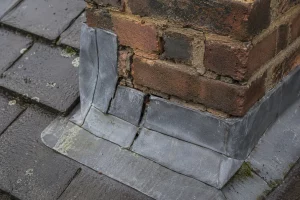
Flashing around chimneys, walls, roof windows and other junctions should never be overlooked when preparing your roof for winter. These are some of the first places where leaks begin once wetter weather becomes more regular.
Look for:
- lifted lead
- cracked or split flashing
- deteriorating mortar around flashing lines
- gaps where the roof meets the chimney or wall
- earlier patch repairs that may not last through winter
Chimney junctions deserve particular attention because damaged leadwork, loose flashing or deteriorating mortar can allow rainwater to penetrate the roof. Our guide to chimney flashing problems in wet weather explains the warning signs and when professional repairs may be necessary.
Check valleys and drainage paths
Roof valleys channel rainwater from adjoining roof slopes and can become particularly vulnerable when leaves, moss and silt accumulate. Blockages may restrict drainage, trap moisture and increase the risk of water entering beneath adjacent tiles if the valley lining or surrounding roof details are already damaged.
Keeping roof valleys clear helps rainwater flow freely and reduces the risk of blockages during heavy rainfall. Find out more about the risks of accumulated leaves, moss and other material in our article on how autumn debris can damage roof valleys and guttering.
Pay attention to flat roofs and low spots
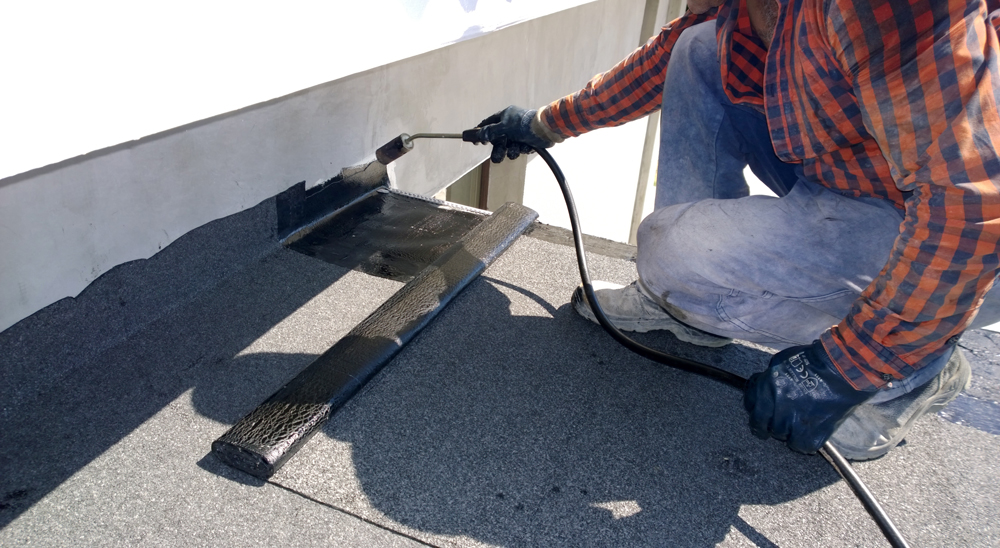
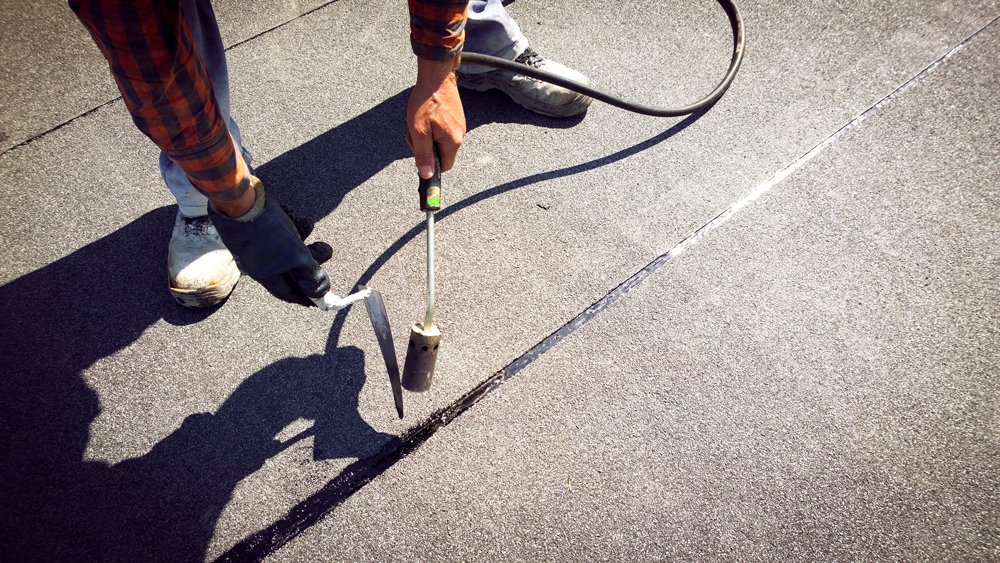
Flat roofs benefit from regular checks before winter, particularly where drainage outlets are blocked or the waterproof covering shows signs of deterioration. Some flat roofing systems are designed to tolerate limited standing water, but persistent ponding, damaged seams or visible splits should be assessed professionally.
Check for:
- standing water after rain
- bubbling or lifting in the membrane
- splits or worn patches
- blocked outlets
- areas that remain wet much longer than the rest of the roof
If water is already slow to clear now, winter is unlikely to improve the situation.
Check for early indoor warning signs
Preparing your roof for winter is not just about what you can see outside. It is also worth checking the loft and upper rooms for early signs that a problem may already be developing.
Look for:
- damp smells in the loft
- water staining on ceilings
- small patches of discolouration
- wet insulation
- condensation or unusual moisture near the roof structure
Damp patches, ceiling stains and musty smells can sometimes be early signs of water ingress. However, condensation, inadequate ventilation or leaking plumbing can produce similar symptoms. Moisture that appears or worsens after rainfall may suggest a roofing defect and should be investigated rather than ignored.
Check roofs near trees more carefully
If the property is close to mature trees, extra caution is sensible before winter. Leaves, seeds, twigs and moss fragments can keep collecting even late into autumn, which means drainage routes may still be worsening as winter approaches.
Tree-related debris can affect:
- gutters
- valleys
- flat roof outlets
- moss growth on roof slopes
- moisture retention on shaded roof areas
Properties with nearby trees often need more frequent seasonal checks than those in more open settings.
What should homeowners not ignore before winter?
The following should always be taken seriously before cold weather arrives:
- repeated overflow after rain
- persistent standing water
- damp patches indoors
- visible flashing movement
- debris-packed valleys
- loose or cracked tiles
- staining near chimney breasts
- recurring leaks after patch repairs
Each of these warning signs deserves attention, although the underlying cause may involve the roof covering, flashing, guttering or drainage system. Identifying the source of the problem is the first step towards choosing an appropriate repair.
Is it worth checking the roof if nothing seems wrong?
Yes. In many cases, preparing your roof for winter is most useful before the obvious problems start. Once a leak appears indoors in winter, the defect may already have affected much more than the visible stain or drip suggests.
A timely inspection gives homeowners the chance to catch smaller issues while repairs are often simpler, drier and more manageable.
The Met Office recommends checking roofs for loose tiles, slates and flashing before windy weather arrives, as well as clearing leaves from gutters and downpipes. These simple preventative measures can help reduce the risk of weather-related damage during the winter months.
Final thoughts
Preparing your roof for winter is not about overreacting to every minor imperfection. It is about recognising that cold, wet weather puts more pressure on every weak point already present in the roof.
Checking the guttering, tiles, valleys, flashing, flat roof areas and indoor warning signs before winter arrives can make a real difference. The earlier a weakness is spotted, the easier it usually is to deal with before it turns into a leak, damp problem or more disruptive repair in the middle of the colder months.
If you are unsure whether your roof is ready for winter, Rainy Days Roofing can inspect the property and recommend the most suitable next step.