

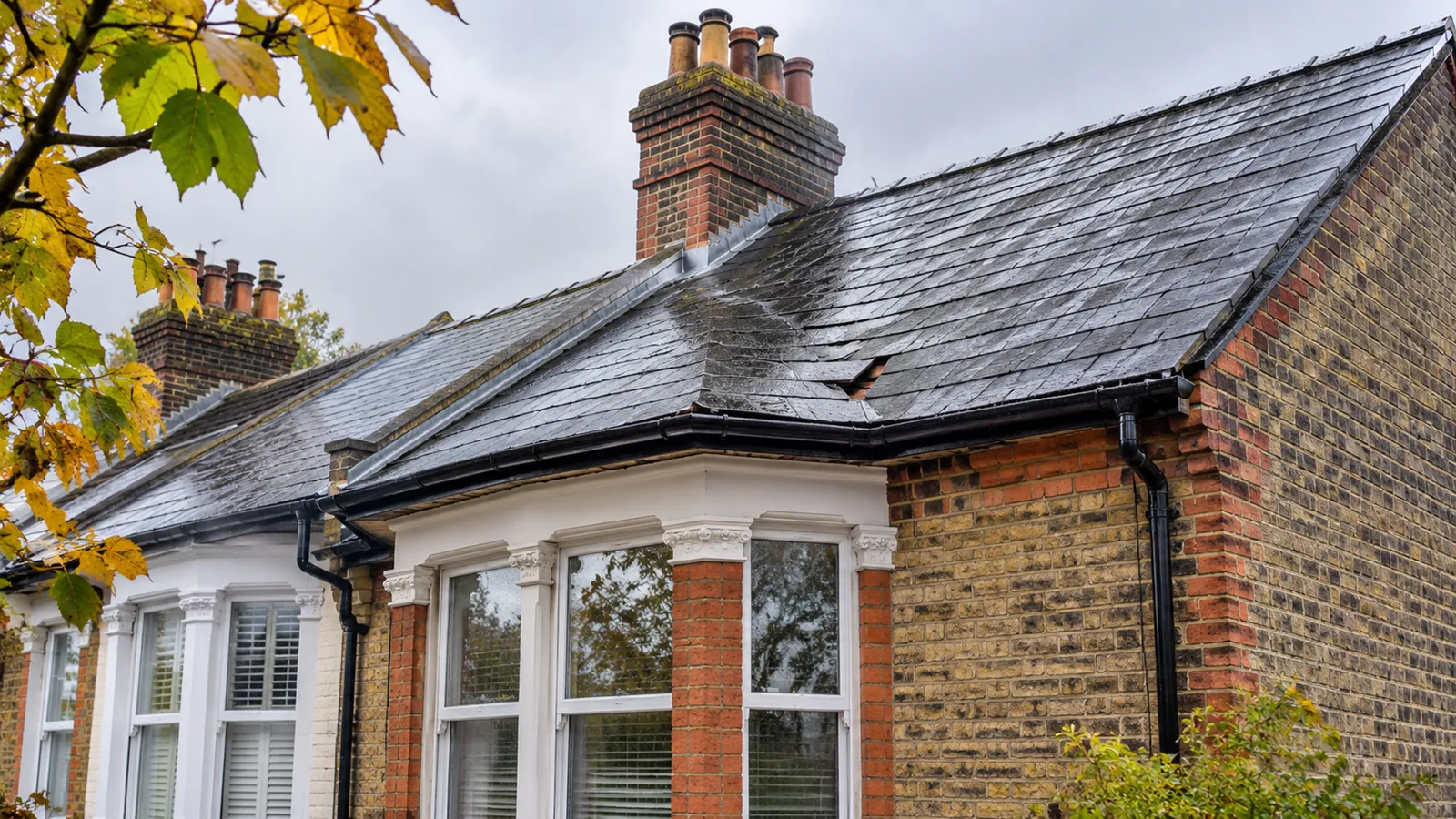
Emergency Roof Leak: What to Do Before the Roofer Arrives
Emergency Roof Leak: What to Do Before the Roofer Arrives
An emergency roof leak can turn an ordinary rainy day into a stressful situation. Water dripping through the ceiling, a growing damp patch or a sudden leak around a chimney can leave you wondering what to do first. The immediate priority is not to find the damaged tile yourself. It is to keep everyone safe, limit further damage and arrange for the cause to be investigated.
In London and Essex, heavy rainfall and strong winds can expose weaknesses in tiled and slated roofs, flat roof coverings and flashing. A leak may start suddenly, even when the underlying defect has been developing for months.
Knowing how to respond can make a real difference. These practical steps will help you protect your home while waiting for professional roofing assistance.
Is it an emergency roof leak?
Not every damp patch requires an urgent call-out, but certain situations need prompt attention.
Warning signs include:
- Water actively dripping or running through a ceiling.
- A leak that is spreading or becoming worse.
- Water reaching light fittings, sockets or electrical equipment.
- Bulging, sagging or cracking plasterboard.
- Missing tiles or slates following strong winds.
- Loose roofing materials that could fall onto paths or neighbouring properties.
An old, dry ceiling stain may not indicate an active emergency. However, new staining that appears after rainfall should still be investigated.
Our guide to when a small ceiling stain means a bigger roofing problem explains why even minor-looking marks can sometimes point to hidden roof damage.
What to do immediately when your roof starts leaking
1. Keep yourself and your family safe
Before moving furniture or collecting water, check whether the affected room is safe to enter.
Stay away from ceilings that are bulging, sagging or cracking. Water trapped above plasterboard can weaken it, creating a risk of collapse.
Be particularly cautious if water is entering near electrical fittings. Never touch wet switches, sockets, exposed wiring or appliances. If the consumer unit is dry and safely accessible, you may be able to switch off the affected circuit. Otherwise, keep clear and contact a qualified electrician.
Keep children and pets away from the affected area. If there is an immediate danger to life, seek emergency assistance.
2. Contain the water where it is safe
If water is dripping into an otherwise safe part of the room, place a bucket or suitable container underneath.
Use towels or waterproof sheeting to protect the surrounding flooring. Check the container regularly so it does not overflow.
Move small valuables, soft furnishings and electrical equipment away from the affected area, provided they can be moved safely. Larger furniture can sometimes be protected with waterproof coverings.
These actions will not repair the roof, but they may help reduce damage until a professional can investigate.
Never stand beneath an unstable ceiling simply to catch dripping water.
3. Take photographs and record the damage
Photographs can be extremely useful when dealing with an emergency roof leak.
From a safe position, record:
- Where water is entering the room.
- Any visible ceiling or wall damage.
- The size and location of damp patches.
- Damaged furniture, flooring or other belongings.
- Any visible external roof damage.
Make a note of when the leak started and whether it becomes worse during heavy rain or strong winds.
These details can help the roofer understand the problem before arriving. They may also be useful when discussing the damage with your home insurance provider.
If you are renting, notify your landlord or managing agent promptly.
4. Check for visible damage without climbing onto the roof
Sometimes the cause of a leak is visible from the ground or an upstairs window.
You might notice displaced tiles, loose guttering, damaged flashing or roofing materials that have fallen into the garden.
However, never climb onto the roof or attempt to inspect it using a ladder during wet or windy conditions.
The Health and Safety Executive’s guidance on roof work makes clear that roof access involves serious risks, even for apparently minor jobs.
Professional roofers must assess access, weather conditions and fall hazards before carrying out work.
Remember that the visible ceiling leak may not be directly beneath the original roofing defect. Rainwater can travel along timbers, underlay and other structural elements before appearing indoors.
What should you avoid doing during a roof leak?
When water starts entering your home, it can be tempting to attempt a quick repair. Unfortunately, some improvised solutions create additional risks.
Avoid:
- Climbing onto the roof to replace or reposition tiles.
- Using ladders during rain, strong winds or icy weather.
- Applying roofing sealant without identifying the actual defect.
- Walking through an unfamiliar loft or stepping between ceiling joists.
- Puncturing a bulging ceiling to release trapped water.
- Touching wet electrical fittings or attempting electrical repairs yourself.
Covering a damaged area with a tarpaulin may sound straightforward, but working on an exposed roof in poor weather is dangerous. Temporary weatherproofing should be assessed and carried out by competent professionals.
If a storm has left loose tiles or debris near an entrance, keep people away from the area beneath it.
For more information, read our guide to spotting roof damage after a storm.
What information should you give the roofer?
When contacting a roofing contractor, explaining the symptoms clearly can help them assess how urgent the situation may be.
Describe the type of property, whether the roof is pitched or flat, and where water is entering.
Mention any recent storms, previous roofing repairs or recurring leaks. Explain whether there are electrical hazards, an unstable ceiling or loose materials that could fall.
Photographs may also help, but never put yourself at risk to obtain them.
If access to the affected roof is difficult, such as above a rear extension or between closely spaced terraced properties, let the contractor know.
Ask about the next steps, whether a safe inspection is possible and whether temporary protection might be appropriate.
What will a roofer check when they arrive?
An experienced roofer will aim to identify the source of the water ingress rather than simply treating the visible stain.
Depending on the property, the inspection may include:
- Tiles and slates: Checking for cracks, missing pieces or displaced roof coverings.
- Lead flashing: Inspecting vulnerable junctions around chimneys, walls and roof windows.
- Roof valleys: Looking for damaged linings, blocked drainage routes or displaced surrounding tiles.
- Flat roof coverings: Assessing visible splits, failing seams and damage to waterproof membranes.
- Gutters and downpipes: Identifying overflowing water or drainage problems that may be affecting the roofline.
The inspection should establish whether the problem is localised or whether other parts of the roofing system have been affected.
A leaking roof does not automatically mean it needs replacing. In many cases, a targeted repair may be appropriate, provided the surrounding materials remain serviceable.
The contractor should explain the findings and recommend the necessary work.
Can an emergency roof leak be repaired in the rain?
Sometimes temporary repairs or protective measures are possible during wet weather. However, the conditions must be safe and suitable for the proposed work.
Strong winds, heavy rainfall, icy surfaces and poor visibility can make roof access dangerous. Certain waterproofing materials also require suitable temperatures or dry surfaces to perform correctly.
A professional may therefore recommend temporary weatherproofing until permanent repairs can be completed safely.
It is important to understand the difference between a temporary measure designed to reduce water ingress and a permanent repair addressing the underlying defect.
Ask what work has been completed, whether further repairs are necessary and what conditions might affect the schedule.
What should you do after the leak has stopped?
Once the immediate problem has been dealt with, attention should turn to any remaining moisture damage.
A ceiling may stop dripping while insulation, plasterboard or roof timbers remain damp. These materials may need assessment and adequate drying before decoration or other remedial work begins.
Keep records of the inspection, repairs and any recommendations from the roofing contractor.
If electrical fittings or wiring have been affected by water, obtain advice from a qualified electrician before using them again.
Avoid simply painting over water stains before confirming that the source of moisture has been resolved.
It is also worth considering whether the problem has exposed other areas of the roof that may benefit from attention. Routine maintenance and timely inspections can reduce the likelihood of further unexpected leaks.
Will home insurance cover an emergency roof leak?
Home insurance may cover certain types of roof damage, but the outcome depends on the policy and the cause of the leak.
For example, damage resulting from an insured storm event may be treated differently from deterioration caused by age, poor maintenance or gradual wear and tear.
Contact your insurer to understand what evidence is required and whether approval is needed before permanent repairs proceed. Keep photographs, written reports and receipts for any necessary work.
Do not assume that every roofing leak will be covered.
Get professional help with a leaking roof in London and Essex
An emergency roof leak can be worrying, particularly when rain is continuing and the source of the problem is unclear.
The most important steps are to keep the affected area safe, limit damage where possible and arrange for a professional to identify the cause.
Rainy Days Roofing provides roof inspections and repairs throughout London, Greater London and Essex, working with pitched roofs, flat roofing systems, leadwork and other vulnerable roofing details.
If you are dealing with a leaking roof, contact Rainy Days Roofing to explain the problem and discuss the most appropriate next steps.