Do Overhanging Trees Damage Your Roof?
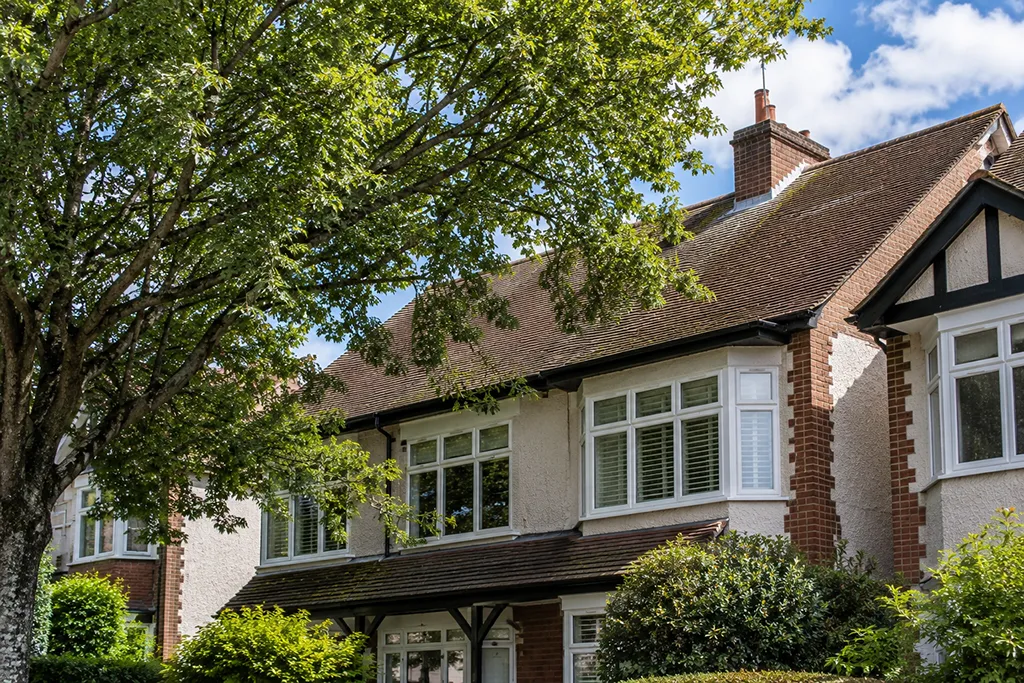
Trees can add privacy, shade and character to a property, but if branches are hanging too close to the roof, they can also create problems. Many homeowners do not think much about overhanging trees until they notice blocked gutters, moss growth or damage after windy weather. The truth is that branches positioned too close to the roof can contribute to wear over time, especially on older properties.
That does not mean every nearby tree is a problem. In many cases, the real issue is poor maintenance rather than the tree itself. The key is knowing when overhanging branches are harmless, when they start increasing the risk of roof damage and when it makes sense to act.
If you have already had problems with blocked drainage, it is worth reading how poor gutter maintenance affects your roof and foundation, as leaves and debris from nearby trees are often part of the problem.
How overhanging trees can affect a roof
Branches do not always cause immediate visible damage, but they can slowly affect different parts of the roofing system.
One of the most common issues is repeated contact with the roof surface during windy weather. Branches rubbing against tiles, slates or flashing can gradually wear materials down. A branch does not need to be particularly large to cause trouble if it is scraping the same area over and over again.
Trees also drop leaves, seeds, twigs and other debris. Once this starts collecting in gutters, valleys and drainage points, rainwater may stop flowing away properly. That increases the chance of overflow, dampness and localised wear along the roofline.
Do overhanging trees damage your roof directly?
Yes, they can. Overhanging trees can damage your roof directly when branches scrape surfaces, dislodge tiles or break during strong winds. Even smaller branches can become a problem if they are repeatedly striking the same part of the roof.
The risk is often higher during summer storms and autumn weather changes, which is why this article should internally link to how to spot roof damage after a storm. If a tree is close enough for branches to hit the roof in bad weather, it is worth checking the roof afterwards rather than assuming everything is fine.
Do overhanging trees damage your roof indirectly?
Indirect damage is often more common than direct impact damage.
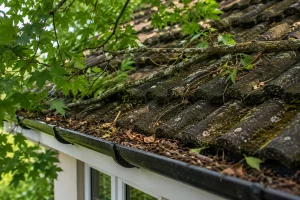
Overhanging trees can increase shade and moisture retention on the roof. Areas that stay damp for longer are more likely to develop moss, algae and general surface deterioration. If moss has already become a concern, link here to can moss damage your roof? what London homeowners need to know.
Debris from trees can also block gutters and downpipes, causing water to back up where it should not. Over time, that can affect fascias, soffits and the roof edge as well as the guttering itself.
Warning signs to look out for
If you are unsure whether nearby trees are starting to affect the roof, look for these signs:
- leaves and twigs collecting in gutters
- moss growth increasing on one roof slope
- scratched, disturbed or slipped tiles
- blocked valleys or outlets
- repeated damp patches near the roofline
- small branches touching the roof during windy weather
- gutter overflows after rainfall
These signs do not always mean the tree is the only cause, but they are a strong indication that maintenance is needed.
Why the problem is often worse on older roofs
Older roofs are usually more vulnerable to tree-related issues because the materials may already have some age-related wear. A newer roof might cope with occasional debris more easily, but an older one is more likely to show the effects sooner.
That is why this section should link naturally to why regular roof inspections save you money in the long run. Small issues caused by overhanging trees are much easier to deal with when they are spotted early.
Should branches always be cut back?
Not always, but if branches are touching the roof, overhanging heavily or contributing to blocked drainage, cutting them back is often the sensible option.
The Royal Horticultural Society notes that most trees growing near buildings cause no damage, but in some cases trees can contribute to building-related problems depending on location and conditions. That makes a good external reference for this article through RHS guidance on trees near buildings.
The aim is not necessarily to remove the tree. Often, sensible pruning and ongoing maintenance are enough to reduce the risk to the roof.
What homeowners should avoid
Avoid attempting unsafe roof-level tree work yourself. Climbing onto the roof to cut branches, clear valleys or pull debris out of hard-to-reach areas can easily lead to accidents or accidental damage.
It is also best not to ignore a branch simply because it only touches the roof occasionally. Repeated minor contact can still wear materials down over time, especially around edges, flashings and older tiles.
When to get the roof checked
If branches have been overhanging the roof for some time, if there has been recent stormy weather or if you have noticed blocked gutters, moss build-up or possible tile movement, it is worth arranging an inspection.
At that stage, the goal is not just to remove debris. It is to see whether the roof has already been affected and whether there are any repairs needed before the wetter months arrive.
If you think nearby trees may already be affecting your roof, Rainy Days Roofing can inspect the area and advise on the most suitable next step.
📞 Call us today to schedule your free roof assessment or visit our contact page.
Final thoughts
So, do overhanging trees damage your roof? They certainly can, but the damage is often gradual rather than dramatic. Scraping branches, trapped moisture and blocked drainage all add up over time.
The good news is that these problems are usually manageable when caught early. Keeping branches under control, clearing debris and checking the roof after bad weather can make a real difference to the long-term condition of the property.