
Flat Roof Ponding Water: Causes, Risks and the Right Fix
Flat roofs are practical, modern and widely used on extensions, garages, porches and commercial properties. However, one issue that often worries property owners is flat roof ponding water. If water sits on the roof for too long after rainfall, it can be a sign that something is not working as it should.
Many people assume a little standing water is harmless, but that is not always the case. In some situations, ponding water is a warning sign of drainage problems, structural movement or a roof surface that is beginning to fail. Left unchecked, it can lead to leaks, faster wear of roofing materials and more costly repairs later on.
For homeowners in London, Greater London and Essex, where heavy rain and damp weather are common, understanding the causes of flat roof ponding water can help prevent avoidable damage.
What is flat roof ponding water?
Flat roof ponding water refers to water that remains on the roof for an extended period after rain has stopped. While a flat roof is not completely flat and should have a slight fall built into it, water can still collect in low spots if the drainage is poor or the roof surface is uneven.
ater that remains on a flat roof for around 48 hours after rainfall is a useful warning sign, although its significance depends on the waterproofing system and roof design. The Liquid Roofing and Waterproofing Association’s overview of flat-roof design guidance explains why effective drainage and correctly designed roof falls matter.
What causes flat roof ponding water?
There is no single reason why flat roof ponding water develops. In many cases, it is caused by one or more of the following issues.
Poor roof drainage
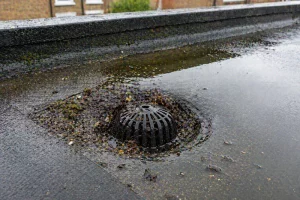
Poor drainage is one of the most common causes of flat roof ponding water. If gutters, outlets, scuppers or downpipes are blocked, rainwater cannot drain away properly. Instead, it begins to collect on the roof surface.
Leaves, moss, dirt and general debris often contribute to this problem, especially during wetter months.
Incorrect roof fall
A flat roof should always be built with a slight slope to guide water towards the drainage points. If the fall was poorly designed or badly installed, certain sections of the roof may allow water to collect rather than run off.
This is a frequent cause of flat roof ponding water on older roofs and on extensions where previous workmanship was not to a high standard.
Structural movement
Over time, some roofs develop low points because of movement in the structure beneath them. Timber movement, settlement, sagging deck areas or ageing supports can all affect the roof level.
When this happens, even a roof that once drained correctly may start developing ponding water in specific areas.
Worn or damaged roof materials
Flat roofing materials can deteriorate with age. Membranes may shrink, blister, crack or lift, and some surfaces may begin to deform. As the roof covering changes shape, it can create depressions that trap water.
In these cases, flat roof ponding water is often a symptom of a wider roofing issue rather than the only problem.
Previous patch repairs
Temporary repairs can sometimes create uneven areas on the roof surface. If certain sections have been built up or patched repeatedly without correcting the overall fall, they may contribute to low spots where rainwater gathers.
Is flat roof ponding water always a problem?
Not every small amount of standing water means a roof is failing. After heavy rain, it is normal for some flat roofs to hold a small amount of surface water for a short time. The problem is when that water remains in place for too long or keeps returning in the same area.
Persistent flat roof ponding water should never be ignored, especially if it appears alongside other warning signs such as leaks, cracked materials, sagging or blocked drainage.
Why flat roof ponding water can become serious
The reason flat roof ponding water matters is simple: standing water places extra stress on the roof and increases the chance of deterioration.
Problems linked to ponding water can include:
- faster ageing of roofing materials
- leaks and water ingress
- weakness at seams and joints
- moss or algae growth
- added weight on the roof structure
- damage to insulation beneath the roof covering
In some cases, long-term ponding can even shorten the overall lifespan of the roof.
Signs that flat roof ponding water needs attention
Some warning signs are easy to spot from outside, while others become noticeable inside the property.
You may need to investigate flat roof ponding water if you notice:
- puddles that remain long after rainfall
- staining on ceilings or upper walls
- algae or moss growth on the roof
- visible dips or low points in the roof surface
- bubbling, blistering or cracking in the membrane
- blocked outlets or overflowing gutters
- repeated leaks during wet weather
If more than one of these signs is present, it is a good idea to arrange a professional inspection.
Can flat roof ponding water cause leaks?
Ponding water does not automatically mean a roof will leak. Some modern waterproofing systems can tolerate standing water, but persistent ponding is still worth investigating, particularly where seams, flashings or the membrane are damaged.
Flat roof ponding water increases the amount of time moisture is sitting against seams, joints, flashings and any small weakness in the membrane. If the roof covering is already ageing or damaged, this raises the risk of leaks developing.
How to fix flat roof ponding water
The right fix depends on what is causing the problem. A good roofer will first inspect the roof to identify whether the issue is related to drainage, structure, roof design or material failure.
Possible solutions may include:
Clearing blocked outlets and gutters
If drainage is blocked by debris, a thorough clean may solve the problem quickly. This is often the first thing to check when dealing with flat roof ponding water.
Correcting local low spots
In some cases, isolated depressions can be built up or re-levelled to improve runoff. This can be suitable where the roof is otherwise in good condition.
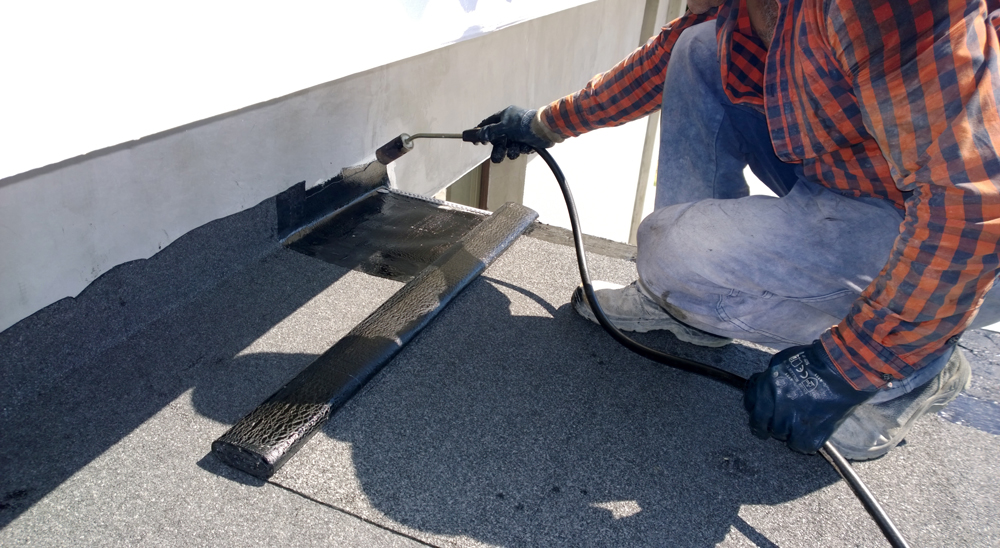
Repairing damaged membrane areas
If ponding water has started to affect the membrane, repairs may be needed to restore the watertight layer and prevent leaks.
Improving drainage design
Where the original roof fall is poor, it may be necessary to alter the drainage arrangement or improve the slope so water can leave the roof more effectively.
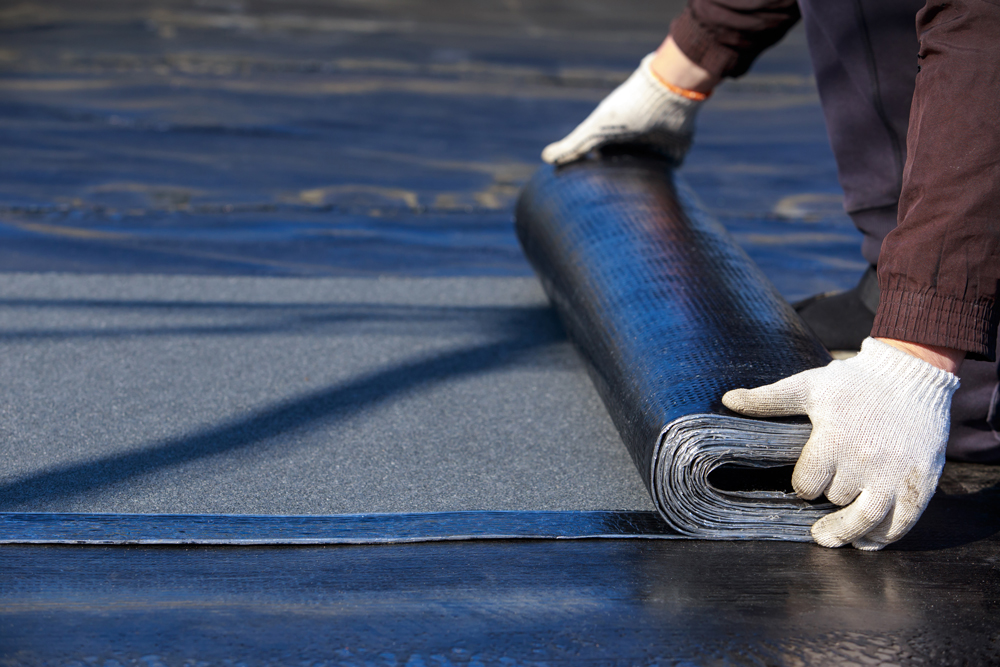
Replacing the flat roof
If the roof is old, failing in several areas or suffering from repeated ponding and leaks, replacement may be the most sensible long-term option.
Can you prevent flat roof ponding water?
In many cases, yes. Good maintenance goes a long way towards reducing the risk of flat roof ponding water.
Prevention usually includes:
- regular flat roof inspections
- clearing leaves and debris
- keeping gutters and outlets clean
- dealing with small defects early
- checking the roof after heavy rainfall
- arranging repairs before the surface starts to deform
Routine maintenance is especially important in London and Essex, where wet weather can expose drainage problems. For practical advice on keeping your roof in good condition, read our guide to flat roof maintenance.
When to call a roofer about flat roof ponding water
You should arrange an inspection if the water is not draining away properly, if the same area keeps collecting water, or if you have noticed signs of leaks or roof damage.
It is especially important to act if:
- water remains for more than 48 hours after rain
- the roof surface looks uneven or sunken
- the membrane is cracking, blistering or lifting
- there are damp patches inside the property
- the roof has had repeated patch repairs before
Early action can prevent a much more expensive repair later on.
Flat roof ponding water on properties in London, Greater London and Essex
At Rainy Days Roofing, we inspect and repair flat roofs across London, Greater London and Essex. If you are dealing with flat roof ponding water, we can assess the cause, recommend the right repair and help prevent further deterioration.
Whether the issue is blocked drainage, poor roof falls, material failure or a more serious structural problem, dealing with it early is always the best approach.
📞 Call us today to schedule your free roof assessment or visit our contact page.
Final thoughts on flat roof ponding water
Flat roof ponding water is one of those roofing issues that should never be dismissed too quickly. Sometimes the solution is straightforward. In other cases, it points to a more serious problem with drainage, design or roof condition.
Either way, the best step is to investigate it early. A prompt inspection can help protect your roof, avoid leaks and reduce the chance of larger repair costs later on.