





How to Tell If Your Roof Felt or Membrane Is Failing
Roof felt and roofing membranes are designed to provide an extra layer of protection against water ingress, but like all roofing materials, they do not last forever. Once they begin to wear out, split, lift or lose their integrity, the roof becomes far more vulnerable to leaks and damp-related damage.
The difficulty is that problems with felt or membrane are not always obvious straight away. In many cases, the early warning signs appear gradually, especially after prolonged wet weather. By the time water starts showing indoors, the damage underneath may already be worse than expected.
For homeowners in London, Greater London and Essex, it is useful to know how to spot the signs that your roof felt or membrane is failing before a relatively small issue becomes a more expensive roofing repair.
If the roof has already been struggling in wetter conditions, this article should link naturally to Why Small Roof Problems Get Worse in Autumn, because problems with roof felt and membrane often become much more noticeable once autumn weather settles in.
What does roof felt or roofing membrane actually do?
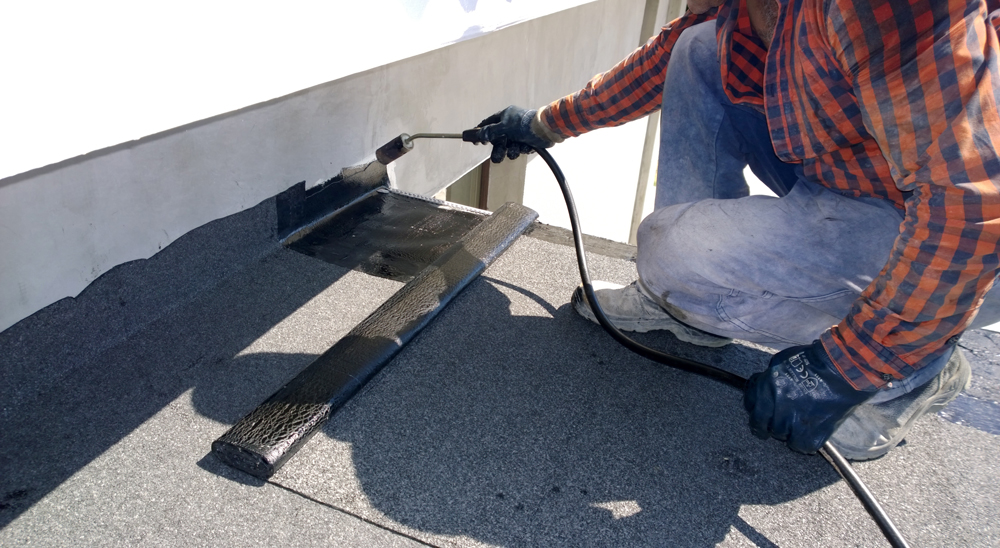
Roof felt and membranes sit beneath the outer roof covering or form the waterproof layer on many flat roofs. Their job is to stop water reaching the roof structure and to provide a secondary barrier if the outer covering is compromised.
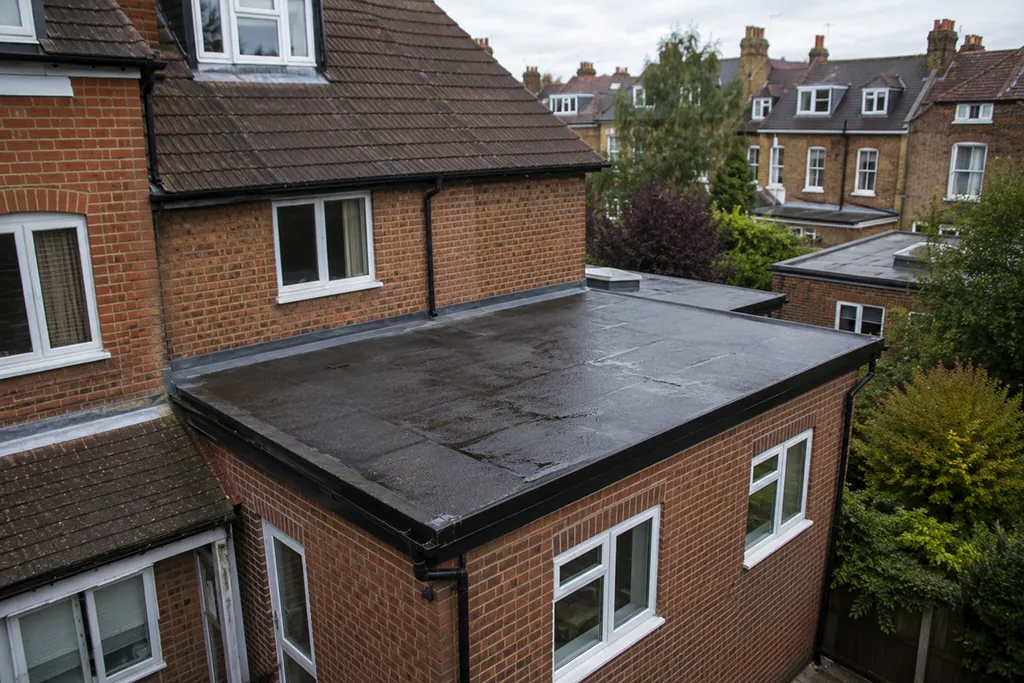
On pitched roofs, felt usually sits beneath tiles or slates and helps manage moisture that gets past the main roof covering. On flat roofs, the membrane is often the main waterproof surface itself, which means any failure can quickly lead to leaks.
Because these materials are such an important part of the roof system, deterioration should never be ignored.
Why roof felt or membrane starts to fail
There are several reasons why roof felt or membrane is failing, and the cause often depends on the roof type, the age of the materials and how well the roof has been maintained.
Common causes include:
- age-related wear and brittleness
- repeated exposure to rain, frost and UV
- poor installation or earlier patch repairs
- trapped moisture beneath the surface
- movement in the roof structure
- blocked drainage causing standing water
- storm damage or lifted roof coverings
In many cases, failure does not come from one major event but from gradual deterioration over time.
Signs your roof felt or membrane is failing
There are a number of warning signs that suggest your roof felt or membrane is failing.
Leaks or damp patches indoors
One of the clearest warning signs is moisture appearing inside the property. That may show as damp patches on ceilings, peeling paint, water staining or a musty smell in the loft or upper rooms.
This is especially important if the issue appears after rain rather than continuously, because that often points to roofing materials that are starting to let water in only under wet conditions.
Blistering, bubbling or lifting on flat roofs
On flat roofs, a failing membrane may start to blister, bubble, wrinkle or lift. These changes often suggest trapped moisture, weakened adhesion or ageing material that is no longer performing properly.
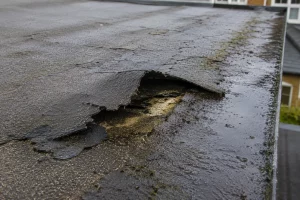
If drainage also seems poor, this section should link naturally to Signs Your Roof Is Not Draining Properly After Heavy Rain, because standing water often makes membrane problems worse.
Torn, split or cracked felt
On older pitched roofs or accessible outbuildings, you may be able to see areas where felt has torn, cracked or pulled away. Once that happens, the material is no longer giving the protection it should.
Sagging or soft roof areas
A roof surface that feels soft, uneven or unstable can suggest moisture has been getting through for some time. At that stage, the issue may no longer be limited to the felt or membrane alone.
Recurring leaks after temporary repairs
If the same area keeps leaking again even after patching, it may be a sign that the underlying waterproof layer is failing more widely and not just at one small point.
Why these problems often show up in autumn
A roof may seem to cope reasonably well during drier weeks, but once rainfall becomes more frequent, failing felt or membrane is exposed far more often. Water sits on the roof for longer, weak points are tested repeatedly, and small defects become much harder to hide.
That is one reason homeowners often first notice that their roof felt or membrane is failing during autumn. Wetter weather does not always cause the original defect, but it often reveals it.
How roof felt and membrane failure differs on pitched and flat roofs
The symptoms can vary depending on the type of roof.
On a pitched roof, felt failure may remain hidden for longer because the tiles or slates still provide the first line of defence. In that case, leaks may only appear once water finds its way beneath the outer covering.
On a flat roof, membrane failure is often more direct because the membrane itself is the main waterproof layer. Once it splits, blisters or lifts, water can start penetrating much more quickly.
This is why there is a strong internal link here to Flat Roof Ponding Water: Causes, Risks and the Right Fix, especially where membrane failure and standing water are affecting the same roof.
What homeowners should not ignore
The following should always be taken seriously:
- repeated water staining after rainfall
- bubbling or blistering on a flat roof surface
- splits, cracks or visible damage in felt
- lifted edges or loose sections of membrane
- persistent damp smells in the loft
- soft or spongy roof sections
- recurring leaks in the same place
Even if the leak still seems minor, these signs often suggest the waterproof layer is no longer doing its job properly.
Can roof felt or membrane be repaired?
Sometimes yes, but it depends on the age and overall condition of the material.
A localised defect may be repairable if the surrounding material is still sound and the failure is clearly limited. However, where the felt or membrane has become brittle, patchy, blistered or worn across a wider area, repeated small repairs may not last.
That is why inspection matters. The real question is not just whether it can be patched, but whether patching is a sensible long-term solution.
When replacement makes more sense
Replacement is more likely to be the better option when:
- the material is at or near the end of its lifespan
- there are multiple defects in the same roof area
- leaks keep returning
- the membrane has lifted or blistered extensively
- the felt has become brittle and torn in more than one place
- moisture may already be affecting the structure beneath
At that stage, replacing the failing waterproof layer is often more reliable and more cost-effective than repeated patching.
When to arrange a professional inspection
If you suspect your roof felt or membrane is failing, it is best to arrange an inspection before wetter weather causes further damage.
This matters especially if:
- leaks are appearing after rain
- a flat roof surface is bubbling or holding water
- the roof has had patch repairs before
- the loft smells damp
- the same leak has come back more than once
For broader industry guidance on roof maintenance and spotting defects early, readers can also refer to NFRC advice on roof maintenance.
Final thoughts
When roof felt or membrane starts to fail, the signs are often subtle at first. A small damp patch, a blistered flat roof section or a recurring leak may not seem urgent on its own, but these are often the warning signs of a waterproof layer that is no longer performing properly.
The earlier the issue is identified, the better the chance of limiting the damage and keeping repair costs under control. If you have noticed any of these symptoms, it is worth getting the roof checked before the problem spreads further.
If you are unsure whether your roof felt or membrane is failing, Rainy Days Roofing can inspect the roof and recommend the most suitable next step.