


Summer Roof Maintenance Checklist for London Property Owners
Summer is one of the best times of year to check the condition of your roof. Longer daylight hours, drier weather and clearer visibility make it easier to spot issues before they become expensive repairs. A practical summer roof maintenance checklist helps homeowners stay ahead of leaks, slipped materials, blocked drainage and heat-related wear.
For homes in London, Greater London and Essex, summer maintenance is especially useful after months of winter rain, spring storms and fluctuating temperatures. Small defects that developed earlier in the year can worsen quickly if they are left untreated.
If you want to keep your roof in good condition and avoid bigger repair bills later, this summer roof maintenance checklist will help you know what to look for.
Why summer is a good time for roof maintenance
Summer’s longer daylight hours and generally drier conditions make it easier to spot roofing defects from ground level. However, homeowners should never climb onto a roof to carry out an inspection themselves.
Regular roof inspections can help identify damage caused by earlier storms, ageing materials and poor drainage. Find out more about why regular roof inspections save you money in the long run.
1. Check for slipped, cracked or missing tiles
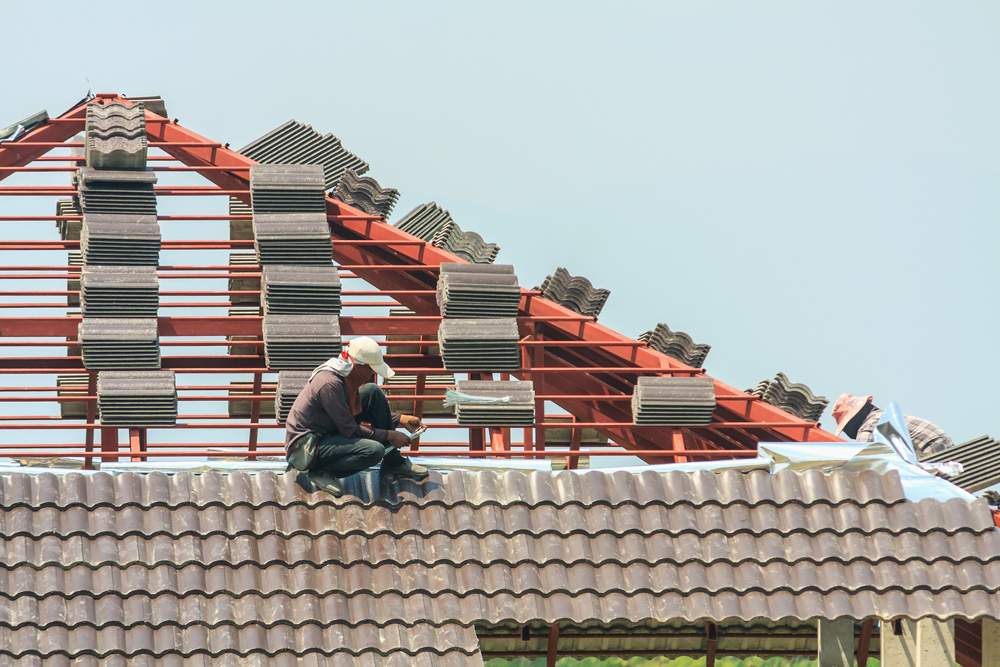
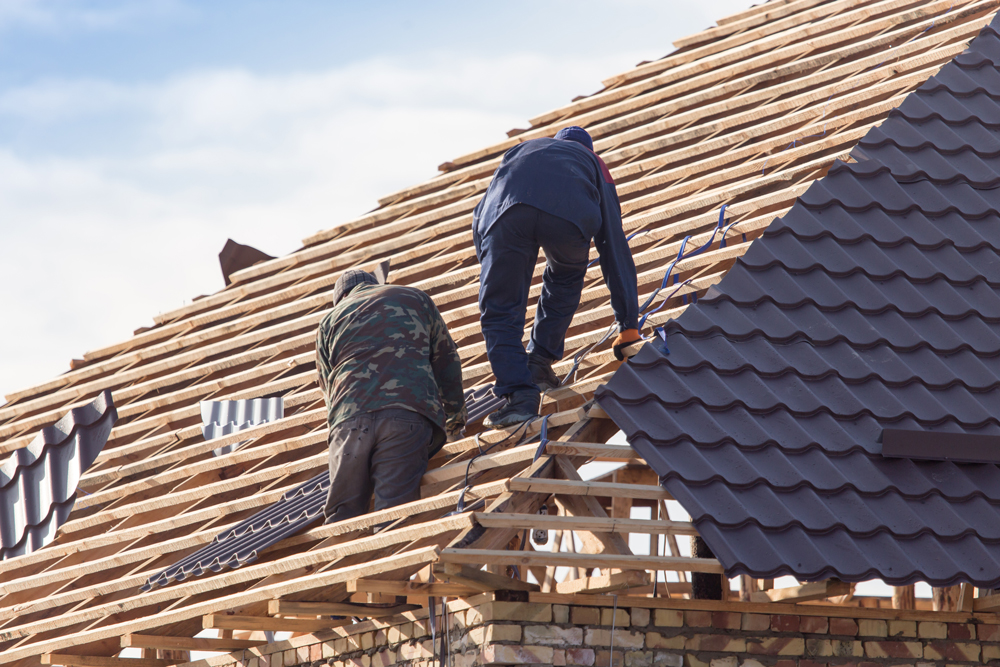
One of the first items on any summer roof maintenance checklist is the roof covering itself. From ground level, look for anything that appears uneven, slipped, cracked or missing.
Problems with tiles and slates can let water into the underlay and roof structure, even if the damage looks small. If you notice slipped or damaged tiles, arrange an inspection before rainwater has a chance to penetrate the roof covering.
2. Inspect flashing around chimneys and roof junctions
Lead flashing often starts to fail gradually, so summer is a good time to check it before wetter weather returns. Pay close attention to areas around chimneys, abutments, roof windows and wall junctions.
If the flashing looks lifted, cracked or poorly sealed, it should be investigated further. This is especially important on older London properties where chimney stacks and junction details take a lot of weather exposure. To understand why these vulnerable roof junctions deteriorate, read our guide on why lead flashing fails and when it needs replacing.
3. Clear gutters, downpipes and outlets
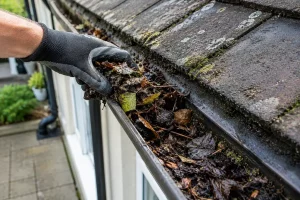
No summer roof maintenance checklist is complete without checking the drainage system. Gutters and downpipes often collect leaves, moss, silt and other debris, especially after spring growth and unsettled weather.
Blocked drainage can lead to overflowing water, damp walls and unnecessary strain on roof edges. Keeping drainage channels clear is an important part of seasonal roof care. Our guide explains how to clean and maintain your gutters before the rainy season.
4. Look for signs of ponding on flat roofs
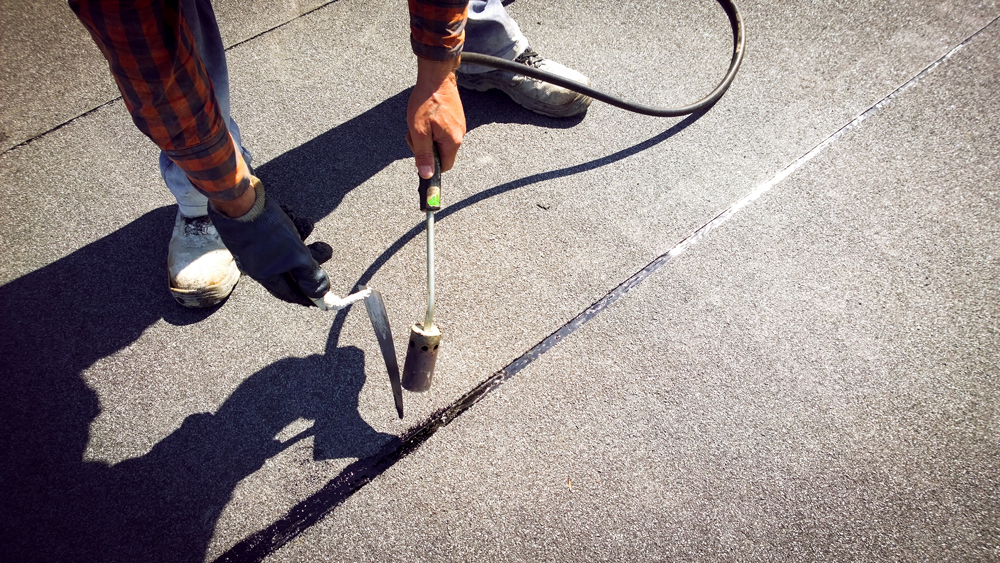
If your home has a flat roof on an extension, garage or porch, summer is the right time to inspect it carefully. Standing water, surface dips, blisters or cracking can all suggest drainage or material problems.
Persistent standing water may indicate inadequate drainage, uneven roof falls or deterioration of the waterproofing system. Learn more about the causes and solutions in our guide to flat roof ponding water.
5. Check the loft for heat, damp or condensation
A proper summer roof maintenance checklist does not stop outside. Go into the loft and look for warning signs such as excessive heat, musty smells, damp insulation, staining on timbers or signs of condensation.
Ventilation and moisture control matter all year round, not just in winter. Effective ventilation and moisture control are important for maintaining a healthy home. For broader information about domestic ventilation requirements, see the UK Government’s Approved Document F.
6. Watch for signs of heat damage
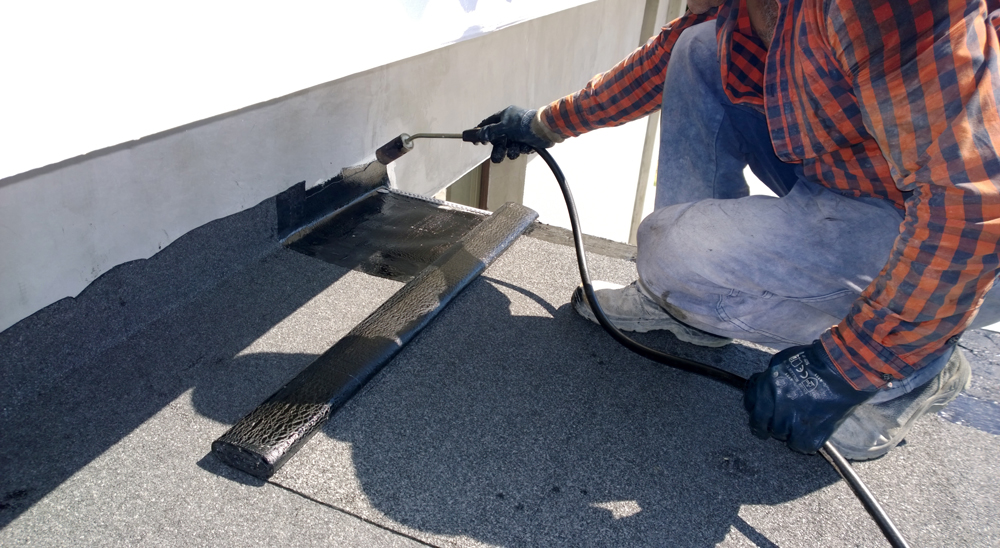
Extended warm weather can also put strain on certain roofing materials. Bitumen surfaces, ageing felt, sealants and some coatings may become more vulnerable during hotter spells. You may notice blistering, cracking or areas where the surface has started to degrade.
If you notice blistering, cracking or lifting roofing materials, arrange a professional inspection. Identifying the cause early can help prevent more extensive deterioration.
7. Trim back overhanging branches and remove roof debris
Trees can be helpful for shade, but overhanging branches can scrape roofing materials, drop debris into gutters and encourage moss build-up. Summer is a sensible time to trim them back and clear any debris already sitting on the roof.
This simple step can reduce moisture retention and help protect tiles, flashing and guttering.
8. Check fascias, soffits and roof edges
Roofline details are easy to overlook, but they play an important role in protecting the property. Check fascias and soffits for peeling paint, cracking, rot, staining or signs of insect activity.
If the roof edges are deteriorating, water may begin affecting the underlying timber or wall areas. Summer is the ideal time to catch these issues early.
9. Review any repairs that were done earlier in the year
If your roof had patch repairs during winter or spring, summer is the right moment to check how those repairs are holding up. Areas that were temporarily sealed or made safe during bad weather should be reviewed properly once conditions are better.
This is particularly important if the roof had emergency work, storm damage or repeat leaks.
10. Book a professional inspection if anything looks questionable
The final step in a summer roof maintenance checklist is simple: if something does not look right, get it checked. Small roofing issues rarely fix themselves, and summer gives you a better window to arrange repairs before the more demanding seasons return.
If you are unsure whether a roofing defect is minor or more serious, a professional inspection can help identify the cause and determine whether repairs are necessary.
📞 Call us today to schedule your free roof assessment or visit our contact page.
Final Thoughts on Summer Roof Maintenance
A smart summer roof maintenance checklist can help you spot early problems, plan repairs in good time and reduce the risk of bigger issues later in the year. Whether you have a tiled roof, slate roof or flat roof, a simple seasonal check can make a real difference.
For London property owners, summer is the best time to stay proactive. Deal with the small issues now, and your roof will be in a much stronger position when autumn rain and winter weather return.